
What Is Parts Therapy and Who Is It For?
Most of us have had the experience of knowing exactly what we should do and doing the opposite anyway. We want to rest, but we push ourselves harder. We want to open up, but we shut down. We decide, firmly, to change, and then don't.
This isn't a character flaw. It's the signature of an inner system that is doing its best to manage competing needs, often with conflicting strategies. Parts Therapy offers a way to understand that system, and to work with it, rather than against it.

What Is Parts Therapy?
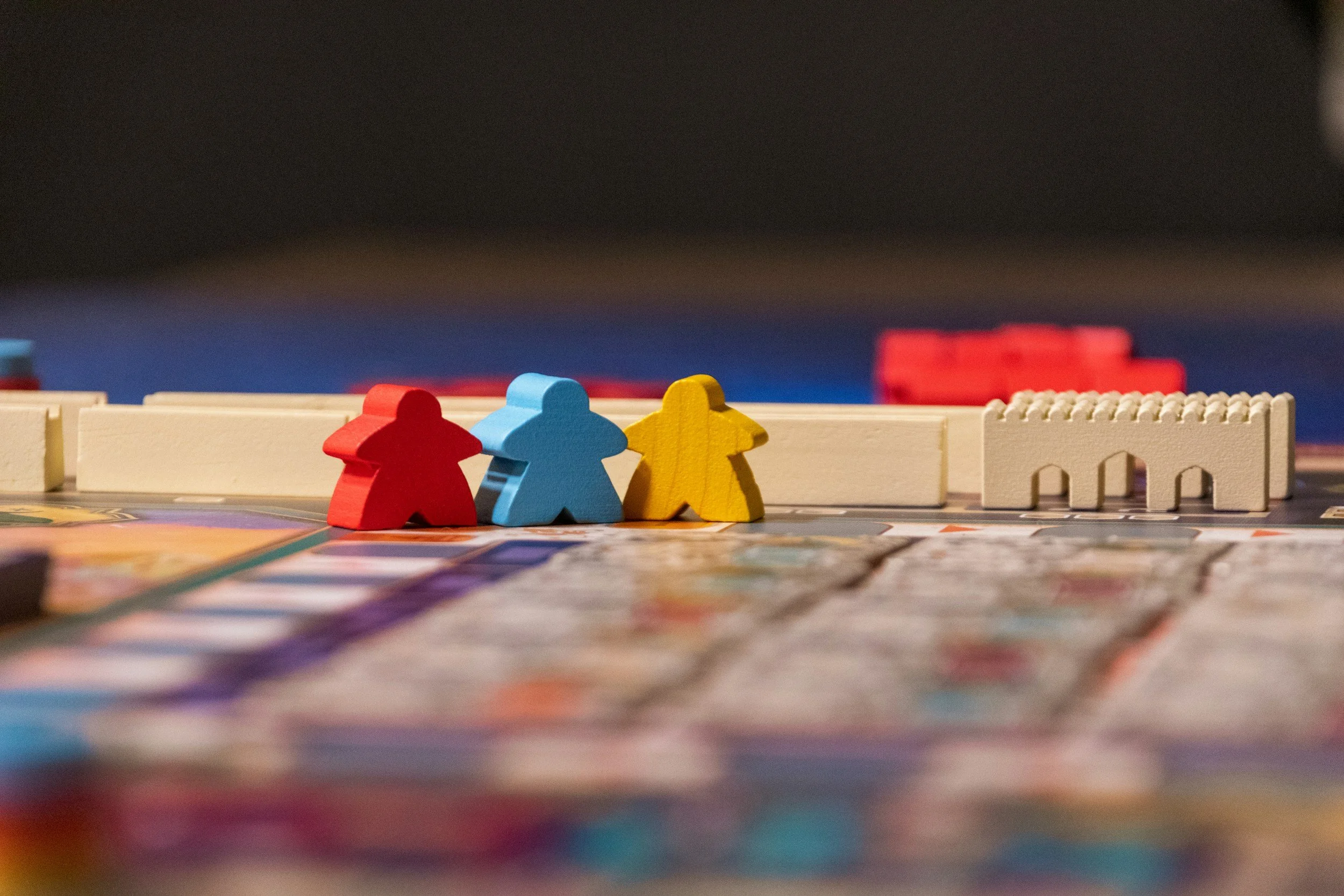
Parts Therapy is a therapeutic approach rooted in the understanding that the human psyche is not a single, unified voice. It is a community of inner parts, patterns of feeling, thinking, and behaving that developed at different points in our lives, often in response to specific experiences or needs.
These parts are not metaphors. They are felt realities. A client may have a part that strives relentlessly and another that wants to give up. A part that craves intimacy and a part that is terrified of it. A part that is fiercely protective and another that quietly carries old grief.
In Parts Therapy, particularly as it is practised within the transpersonal framework at Nai Do, we work in a relaxed, focused state to make direct contact with these inner parts. We listen to what they have to say, understand what they are protecting, and help them to update their strategies to align with who the client is now, not who they needed to be then.
Where Does It Come From?
The lineage of Parts Therapy we work with at Nai Do traces directly to the late Charles Tebbetts, one of the most influential hypnotherapy educators of the twentieth century, and to Roy Hunter, his dedicated student, who has spent decades refining, teaching, and documenting this approach.
Charles Tebbetts developed Parts Therapy as a structured hypnotherapeutic method, grounded in the understanding that inner conflict is at the root of much human suffering, and that lasting resolution requires working directly with the parts involved rather than simply suppressing or overriding them. Roy Hunter carried this work forward with great fidelity and depth, and his writing and teaching have brought it to practitioners around the world.
At Nai Do, we work within this tradition. The relaxed, inwardly focused state of hypnosis provides ideal conditions for meeting parts that are difficult to access through conventional dialogue alone. What might take months to surface in ordinary talk therapy can often be encountered directly within a single session.
What Does a Session Look Like?
A Parts Therapy session begins as most hypnotherapy sessions do with a conversation about what the client is experiencing, what they want to explore, and what their goals are. From there, the client is guided into a comfortable, focused state, not unconscious, not asleep, but relaxed and receptive.
Within this state, the practitioner may invite the client to become aware of a feeling, a tension, a recurring pattern, or a voice they have noticed in themselves. Gently, we approach that part, asking what it is, what it needs, what it has been trying to do. Often, clients are surprised by what they find, a protective part that has been working exhaustingly hard, a young part carrying shame it never deserved, a wise part that has simply been waiting to be heard.
The work is not about eliminating parts. It is about integration. When parts feel heard and understood, they change, and with them, so does the whole person.
Who Is Parts Therapy For?
Parts Therapy can be valuable for anyone who notices a sense of inner conflict or division. Common presentations include:
Feeling stuck despite wanting to change
Self-sabotage in relationships, work, or creative life
Persistent self-criticism or harsh inner dialogues
Anxiety or depression that does not respond to insight alone
Difficulty making decisions, or feeling paralysed between options
A sense of disconnection from oneself
It is also deeply appropriate for those who are processing earlier life experiences, including experiences of loss, displacement, or relational wounding, where the self may have organised around survival in ways that no longer serve.
Is It Safe?
Yes. Parts Therapy, as practised within a properly structured hypnotherapy framework, is a gentle and client-led process. The practitioner's role is to facilitate contact and dialogue, not to force, direct, or interpret. The client remains in full awareness throughout and is always in control.
Trauma-informed practitioners take care to work at the client's pace, maintaining appropriate safety structures and ensuring that no part is pushed faster than it is ready to move. At Nai Do, we train our practitioners in this careful approach from the outset, because depth work without sound foundations is not depth work, it is risk.
Working with Parts Therapy at Nai Do
Parts Therapy is one of the core modalities taught in the Nai Do Certified and Master Practitioner Program (CPP & MPP). Our students learn not only the technique but the underlying philosophy that every part has a positive intent, that the self is fundamentally whole even when it doesn't feel that way, and that the practitioner's task is to create the conditions in which that wholeness can be remembered.
If you are curious about experiencing Parts Therapy as a client, or interested in training as a practitioner, we invite you to get in touch. We would be glad to hear from you.
Explore Nai Do's Certified Practitioner Program & Master Practitioner 2-Year-Program